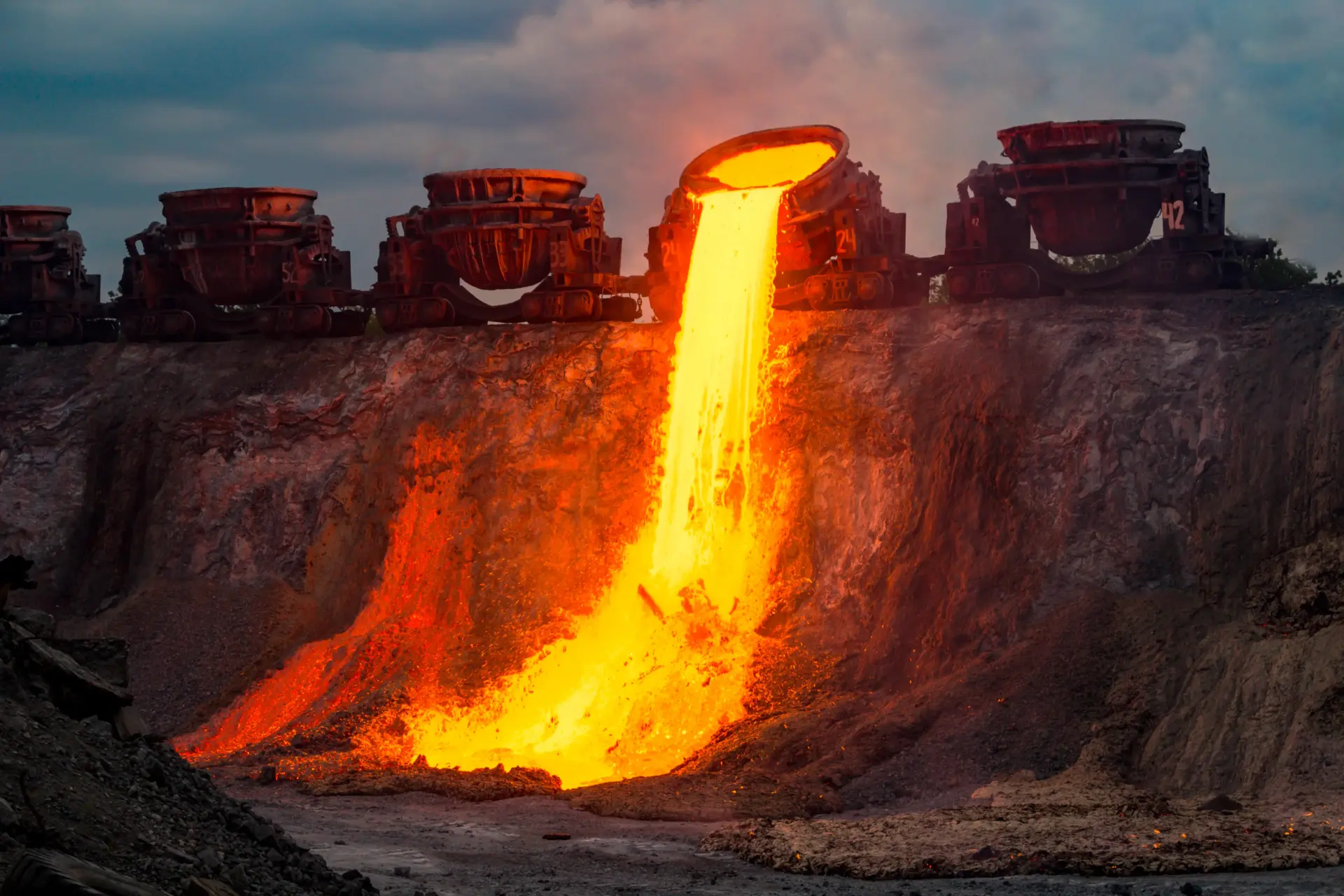
Why Do Wear Liners Show Very Different Service Life on the Same Crusher Model?
In mining and aggregates operations, we often hear a familiar question:
“It’s the same crusher model — why do some sites get six months of liner life, while ours needs replacement after only two or three months?”
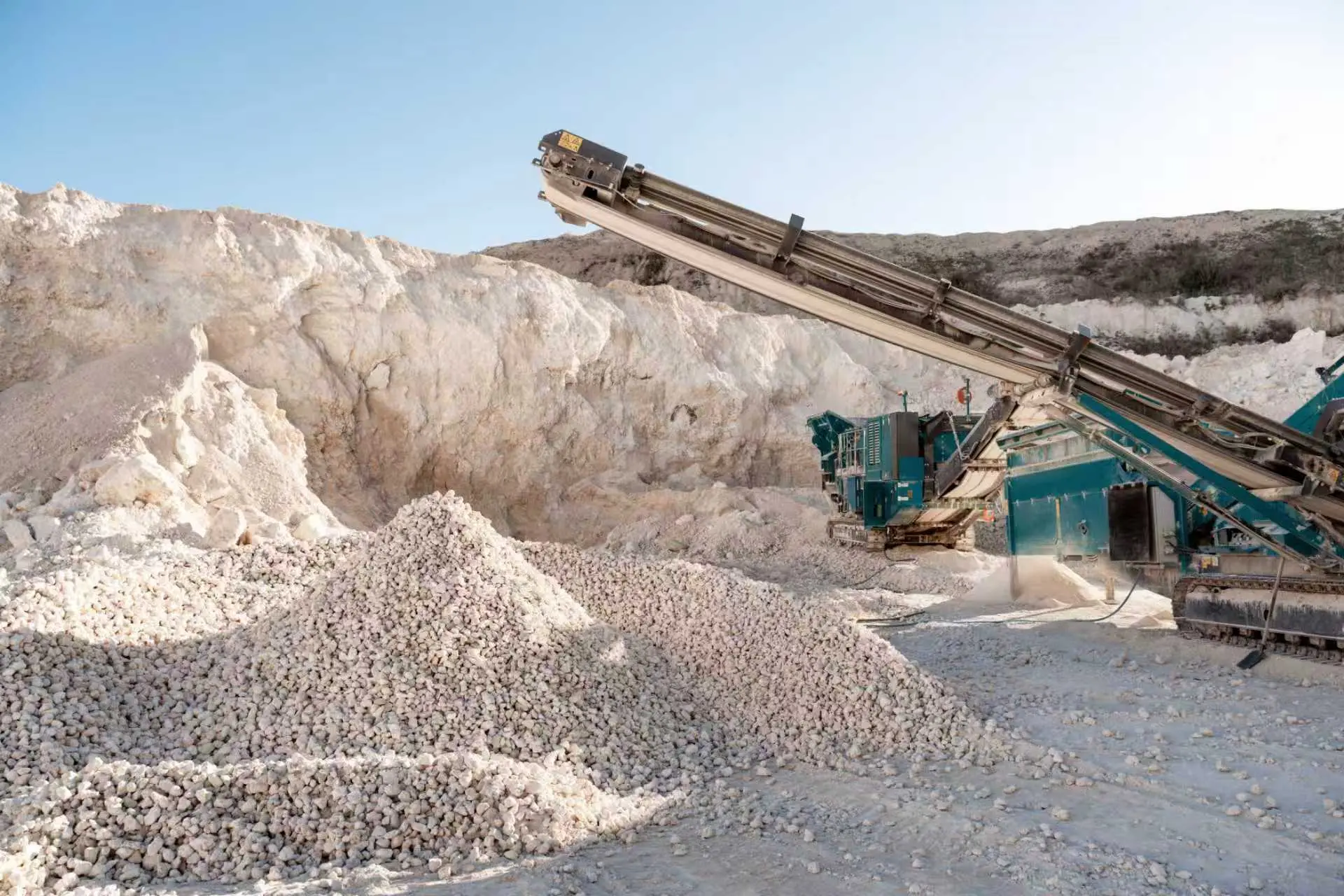
From an engineering perspective, liner service life is never determined by the crusher model alone.
Instead, it is the result of multiple interacting operating conditions. Ignoring these variables is one of the main reasons for unstable liner life and unplanned downtime.
Below, we explain the key factors that cause large liner life differences — even on identical machines.
1. Material Characteristics: The Root Cause of Wear Behavior
Many operators focus only on what material is being crushed, but overlook how that material behaves.
Even within the same ore type or rock category, material properties can vary significantly:
- Hardness
- Abrasiveness
- Quartz / SiO₂ content
- Presence of clay, fines, or moisture
�� Different materials create different wear mechanisms
- High impact + moderate abrasion → toughness becomes critical
- Lower impact + severe abrasion → higher hardness or composite solutions perform better
Using a “standard” Mn13 or Mn18 liner for all conditions almost guarantees inconsistent results.
2. Chamber Type and Feed Conditions: Same Model ≠ Same Operating Mode
Taking cone crushers as an example, the same model may operate with:
- Different chamber profiles (Coarse / Medium / Fine)
- Different CSS settings
- Different feed size distribution
- Choke-fed vs. non-choke-fed operation
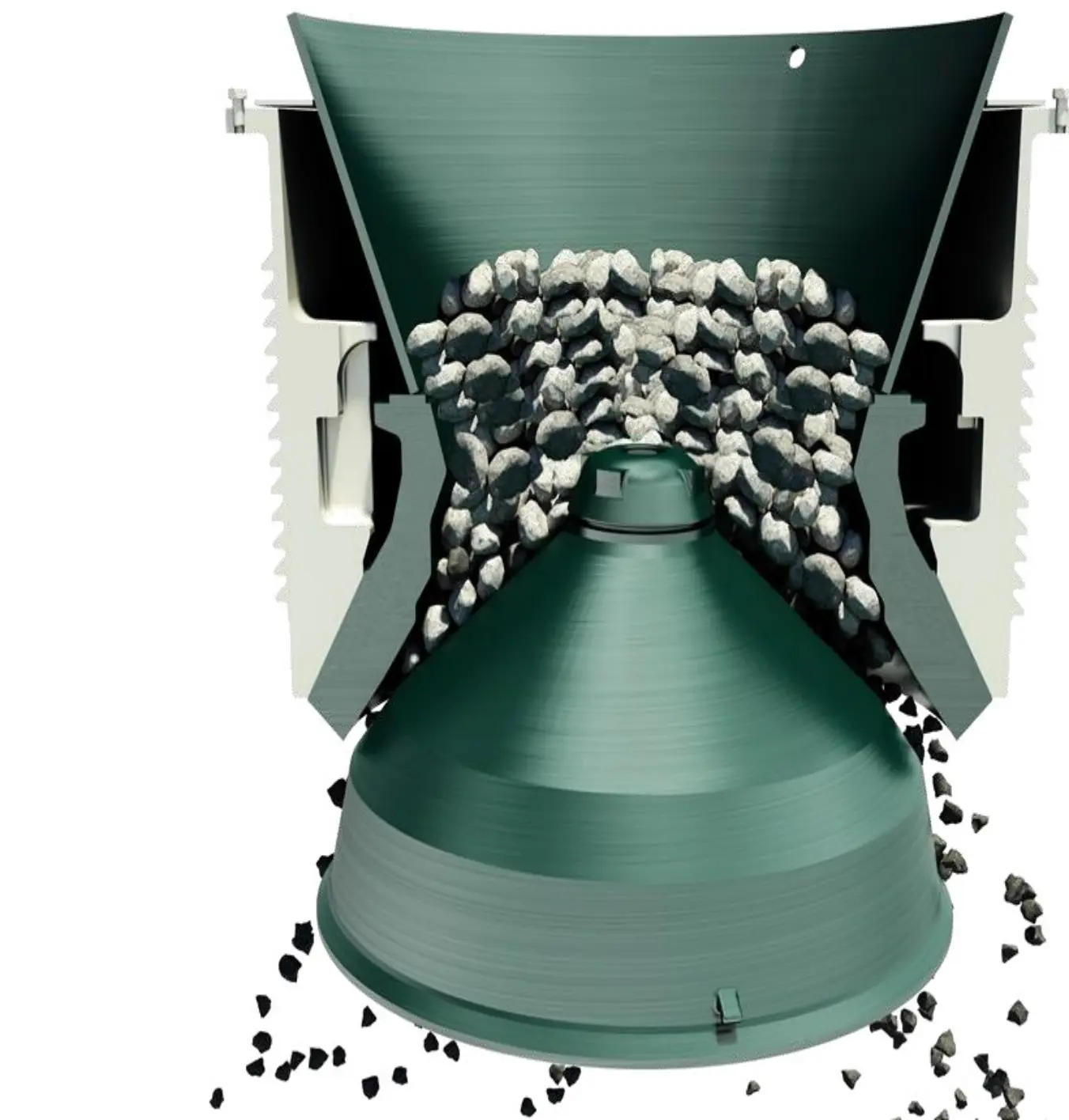
These factors directly influence:
- Impact concentration zones
- Localized abnormal wear
- Whether liners wear evenly or prematurely fail
�� Common symptoms include:
- Rapid wear in the upper zone while the lower section remains unused
- One-sided wear
- Highly unpredictable liner life
3. Material Selection: Harder Is Not Always Better
A common misconception is:
“Higher hardness always means longer service life.”
In reality:
- High-impact conditions:
Excessive hardness can lead to cracking, spalling, or breakage - Highly abrasive conditions:
Excessive toughness without sufficient hardness causes rapid wear
Effective liner performance depends on balancing impact resistance and abrasion resistance, using:
- High manganese steel (Mn13 / Mn18 / Mn22 with optimized chemistry)
- High chromium cast iron
- Bimetallic or composite wear solutions
4. Dimensional Accuracy and Profile Control: A Hidden Life Factor
Crusher liners are not only wear parts — they are functional forming components.
- Profile deviation affects crushing force distribution
- Uneven thickness leads to localized early failure
- Poor fit causes installation issues or unstable operation
�� In many cases, short liner life is not due to poor wear resistance, but because the liner never works in its intended wear zone.
5. Conclusion: Liner Life Differences Reflect Matching Quality, Not Just Product Quality
When the same crusher model shows very different liner life across sites, the real reasons are usually:
- Different material characteristics
- Different operating parameters
- Inappropriate material selection
- Inconsistent manufacturing and quality control
Not simply whether a liner is “good” or “bad.”
TSR’s Approach: Making Liner Life Predictable, Not Random
At TSR, the key question we focus on is:
Can this liner run stably and predictably throughout a planned maintenance cycle at this specific site?
Before supply, we typically confirm:
- Crusher model, chamber type, and CSS
- Material type and wear characteristics
- Target service life and maintenance cycle
- Whether OEM liners underperformed in this application
Based on this, we recommend material and design solutions that better match the operating conditions, rather than offering one-size-fits-all standard liners.
A Practical Recommendation for Maintenance and Procurement Teams
When liner life fluctuates significantly, the right question is not:
“Can we get a cheaper liner?”
But rather:
“Is this liner truly suited to our operating conditions?”
That question is often the starting point for reducing downtime and stabilizing production.
Want to Know More About Our Products?
View All Products Now